Book of the Day:This book is a great read for anyone who owns a dog. I thoroughly enjoyed reading it myself and have read it more than once.
-Review from the Publisher-The Culture Clash is special. Jean Donaldsons first book is quite simply the very best dog book I have ever read. It is utterly unique, fascinating to the extreme, and literally overflowing with information that is so new it virtually redefines the state of the art in dog behavior and training. Written in Jeans inimitably informal yet precise lecture style, the book races along on par with a good thriller. In fact, I read the manuscript three times in a row before it was even published. The Culture Clash depicts dogs as they really are - stripped of their Hollywood fluff, with their loveable can I eat it, chew it, urinate on it, whats in it for me philosophy. Jeans tremendous affection for dogs shines through at all times, as does her keen insight into the dogs mind. Relentlessly, she champions the dogs point of view, always showing concern for their education and well being. The Culture Clash joins a very distinctive group of books and it runs at the head o! f the pack. Like Karen Pryors Dont Shoot the Dog, The Culture Clash has a refreshingly original perspective. Like Gwen Bohnenkamps books, The Culture Clash cuts to the chase - no ifs and no buts - heres the story - now educate your dog! Without a doubt, Jeans book is the hottest doggy item on the market - the quintessential book for dog owners and dog trainers alike - a very definite two paws up! Do yourself and your dogs a big favor: Give it a read! And lets look forward to many more books by Jean Donaldson.Dr. Ian Dunbar -- the publisherStraight from the page on Amazon and I couldnt agree more. Reading this book gives you a better understanding of why dogs do what they do, which in turn will help you teach your dog. I recommend this book to everyone, especially to people thinking about getting a dog. This book should be on everyones shelf in my opinion.
Question of the Day: How do I get my dog to stop pulling on the leash?
Answer: There are several ways to go about this, including; Clicker, balanced, or praise & discipline.
The Clicker WayThere are a few different ways to go about it with the clicker, heres a couple.
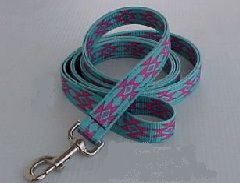
To start off, go to a non-distracting area outside or inside. If your outside, be sure you are in a safe, fenced in area where your dog cant run off. If you dont have a place like that, use a 6 ft leash. You can tie this leash to your belt if youd like so you dont have to worry about not having enough rooms in your hands. The leash is just there to keep your dog with you, you wont be using it for anything else. You can also use the leash if your dog is too distracted and keeps wondering off for something better to do.
Now, simply start walking around. Every time your dog is right by your side, click and treat. Continue walking, keep clicking and treating for dog being by your side. If your using a leash for this and your dog starts pulling, turn and walk the other way. More than likely your dog will turn and go to walk by you to start pulling in the other direction. Click and treat the instant they are at your side (even if they are passing by). Your dog will soon learn the best place to be is by your side.
If your doing this with out the leash and are inside you can also start walking in a circle. Youll click each time your dog is by your side, but this time youll toss the treat in the middle of the circle. This gives your dog a chance to repeat the behavior. Your dog will go get the treat, then hopefully return to your side.
Keep practicing this for a few lessons till your do is repeatedly going to your side! Now that you have your dogs attention, when your dog comes up to your side, take 1 step, click and treat your dog for staying by your side for that one step. Repeat a few times then take 2 steps. Repeat until you are walking 5 steps before rewarding your dog. Now your going to add a little variety in as you work up to longer periods of your dog walking beside you. Start adding more steps, but every few times click at a previous step. Such as:
- 5 steps, Click & Treat
- 3 steps, Click & Treat
- 7 steps, Click & Treat
- 2 steps, Click & Treat
- 9 steps, Click & Treat
- 1 step, Click & Treat
- 11 steps, Click & Treat
- 5 steps, Click & Treat
You get the point, keep bouncing back and forth with how many steps you take and your dog wont realize they are walking with you for longer periods of time. Keep practicing this, keeping sessions short and doing a few lessons a day if you can. Before long youll have a dog who loves walking at your side. Be sure to practice in different rooms in your house, and gradually adding more and more distractions.
Some dogs once they get outside, could care less about the treats. Then you have to get clever and find things that they find rewarding such as Sniffing the trees, or doing what they are wanting to do. Be sure you get them to do what you want them to do first, such as walking by your side for 5 steps, Click and release them to go do what they want. This will be more rewarding to them than a treat.
There are several ways to go about this! This is just a couple. If you have a dog who pulls on a leash and youd like to put an end to it, how about setting up some lessons with a local Dog Trainer? If your in my area (Magic Valley & Sun Valley Idaho) you can give me a call at 308-5627 to set up some lessons. Id be more than happy to help!
Trick of the Week:
Rollover
This weeks trick is Rollover! Best way to teach tricks, is to use a clicker and some treats. Get those handy along with your dog, find a non-distracting room with carpet so your dog can rollover easily.
To start, Kneel down and have your dog do a down in front of you. Hold a treat close to your dogs nose and have your dog follow it as you bring your hand towards his shoulder. Your arm should be over the dogs head as you bring the dogs nose into its shoulder. Youll know your doing this right if your dog moves onto its hip in a relaxed position. Click and treat as soon as your dog moves onto its hip! Do this a few more times.
Now, move your hand further over his shoulder so your dog has to lay on its side in order to follow your hand. Some dogs have trouble at this point, but keep trying. As soon as your dog lays on its side, click and treat! Repeat a few more times.
Next, move your hand further so now your dog has to turn his body over to follow the treat. Click and treat the second he does this! Repeat this a few more times.
Now, repeat and this time put the cue onto it such as Rollover! When your dog rolls over, click and toss the treat so its a complete rollover. Congrats! Keep practicing and youll have a dog rolling over on cue and something to impress your friends with!
Remember each time you click & treat, you start from the beginning.
Currently Available at Talented K9 Private Lessons
Group Classes
If you live in the Magic Valley or Sun Valley Areas, sign up today by calling Amy at 1 (208) 308-5627 You can visit our website at www.talentedk9.com